Assumptions – an example for how to id & avoid them

July 19th, 2011

Assumptions.  We all make them.  All the time.

What’s worse is we’re usually unaware that we’re making them.  Assumptions that is.

They’re devilishly difficult to identify.  They play with our heads and how we see what’s in front of our face and fortune.

A great example of id’ing & avoiding assumptions is Melodie Biringer of Crave fame.  Melodie has a knack for sussing out assumptions & busting them up (in high heels no less).  When she launched her book Craving Success (a startup junkie’s path from passion to profits) in Vancouver she told a great story of id’ing & avoiding an assumption.

One of her many businesses was once selling gourmet food.  She made a bucket of bucks at Christmas and could have succumbed to signing a lease or three at a mall (in order to sell said food year round).  Instead she turned that assumption on its head and used the then-new concept of pop-up stores.  In for Christmas.  Out for the New Year.  Temporary diggs.  Done.  Diggit.

What assumptions are you making when it comes to:

  • conflict
  • what has to get done
  • communication
  • that new colleague of yours
  • your boss
  • you!

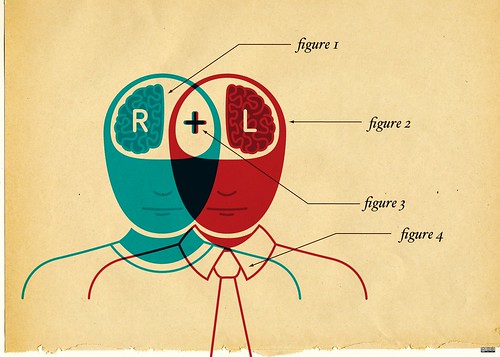
Check out the Life Lensesâ„¢ assessment.  It’s a pro for pulling the plug on assumptions.

Share

Complexity of communication makes for a bigger brain

July 14th, 2011

Thomas Sander, Executive Director of the Saguaro Seminar at Harvard writes an interesting blog post about how socializing expands brain size.

Turns out Oxford scholars say the “more social creatures, among them humans, had the most rapidly expanding brain sizes to cope with the complexity of collaboration, social norms and coordination.”

In other words species who socialize grow bigger brains over time.   Cats have relatively smaller brains than dogs it’s proposed, because they are less social than dogs.

Navigating the social norms and nuances is tough enough amongst your tribe, throw in ‘other’ – those who have a different perspective, a different view, an opposing worldview – and it makes for fodder for the brain.

Who knew navigating perspective could grow your brain.  Seek out other.

Seek out similarities that are significant and differences that make a difference.  Seek out other Life Lenses™.  Your ancestors to come will thank you for their bigger brains.


Share

Near miss – because you can’t look up & down a the same time

July 12th, 2011

No matter where you’re looking, you’ll see some things and you’ll miss some things.

You can’t look everywhere with ease.

The key is to know where you naturally look and where you don’t look … and therefore where you might be loosing perspective.  And look what happens when you loose perspective as these fishermen and float plane find out!

Share

Change how you see not how you look

July 8th, 2011

Change.  Is tough.

Perspective.  Informs how we can change.

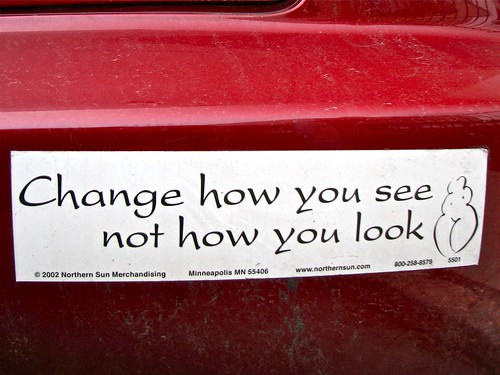
Change how you see not how you look.  Can bring some pretty fantastic perspective shifts.

How do you see?

Share